



















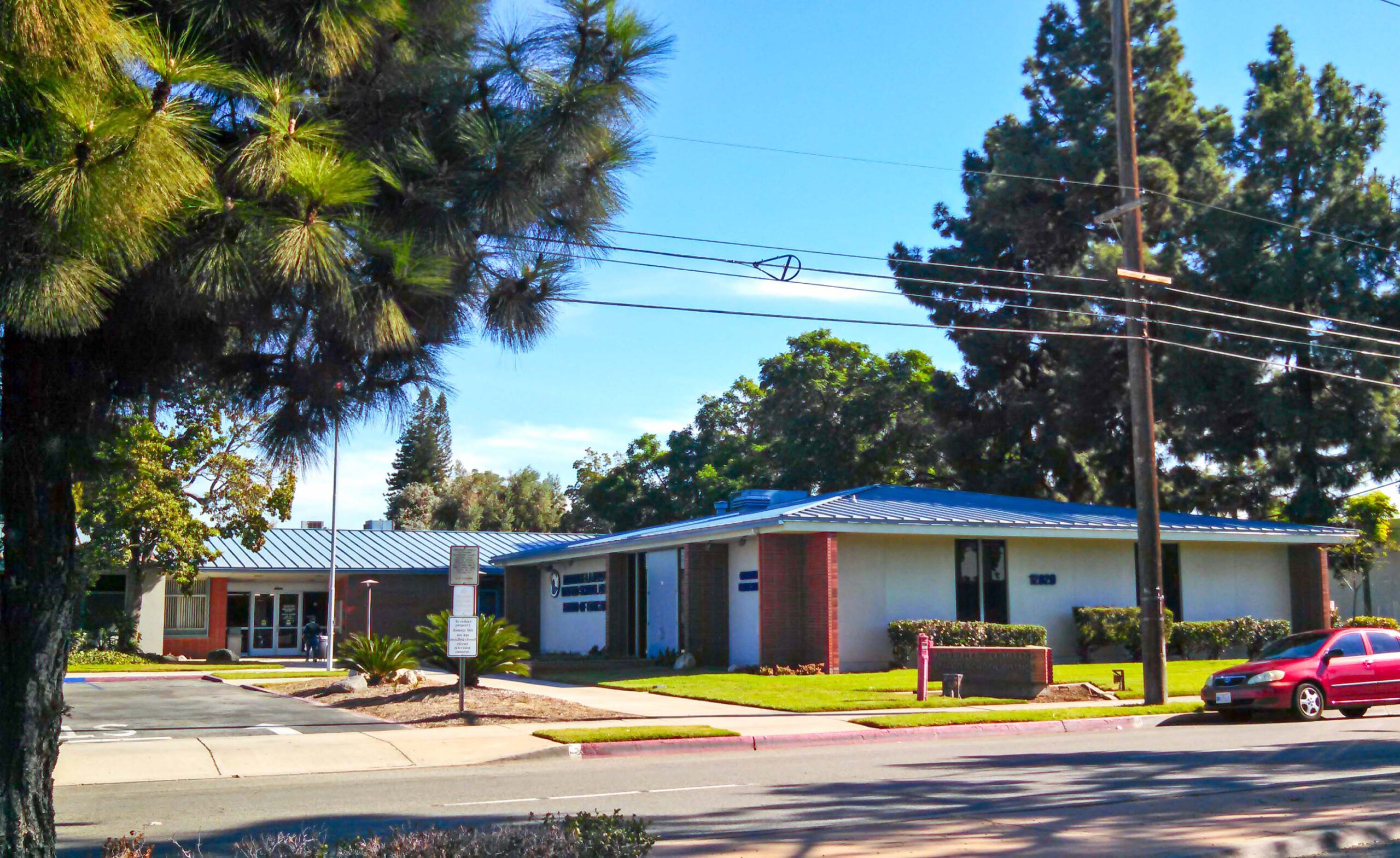
A growing conversation within the community is bringing attention to a complex and often misunderstood issue: student homelessness and housing instability within the Norwalk–La Mirada Unified School District (NLMUSD).
Recent claims circulating in public discussions suggest that a significant number of students in the district may be experiencing some form of homelessness. While exact figures remain unconfirmed through publicly available data, the concern highlights a broader and very real challenge facing families across the region.
At the center of the issue is how homelessness is defined. Under the federal McKinney-Vento Homeless Assistance Act, students are considered homeless not only if they are living in shelters or without permanent housing, but also if they are “doubled up” sharing housing with other families due to economic hardship. This expanded definition captures a wide range of housing instability that may not be immediately visible within the community.
For districts like NLMUSD, which serve a largely high-need student population, these conditions are not uncommon. Many families face rising housing costs, limited availability, and economic pressures that can lead to temporary or shared living arrangements.
While some reports have suggested that as many as one in three students may be affected, those figures have not yet been independently verified through official district or state reporting. However, even without confirmed totals, educators and policymakers widely recognize that housing instability remains a significant barrier to student success.
Students experiencing unstable housing often face additional challenges, including increased absenteeism, difficulty focusing in class, and limited access to consistent resources. These factors can have lasting impacts on academic performance and overall well-being.
At the same time, school districts are not without tools to respond. Through programs supported by federal and state funding, districts can provide services such as transportation assistance, school supplies, counseling support, and connections to community resources. The goal is to create stability where possible, even when a student’s home environment may be uncertain.
Locally, questions are now being raised about the scope of the issue within NLMUSD and what steps are currently being taken to support affected students and families. Community members are also taking a closer look at how broader regional challenges, such as housing affordability and access to services intersect with what students experience in the classroom. As the conversation continues, one thing remains clear: housing instability is not always visible, but its impact is deeply felt.
The Olive Grove News will be reaching out to district officials for clarification on current data and available support programs, with the goal of providing a clearer picture for the community in the weeks ahead.
In the meantime, the discussion serves as a reminder that behind every statistic is a student and a story deserving of stability, support, and opportunity.