





In moments of unimaginable hardship, some families choose a path that transforms loss into life. For one Southern California family, that choice has shaped generations offering both profound gratitude and enduring purpose.
The story begins in 1990, when Mona Castro was seven months pregnant and received devastating news: her unborn daughter, Sara, had a dangerously low heart rate. Rushed by ambulance to a specialized hospital, Mona learned her baby would likely require immediate, high-risk intervention.
Born prematurely and weighing just under five pounds, Sara was diagnosed with severe congenital heart disease and was not expected to survive. Within days, her family faced an impossible decision to accept the outcome, attempt a risky surgical procedure, or place their hope in the transplant waiting list. At just five weeks old, that hope was answered.
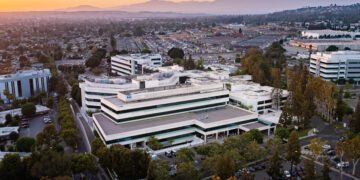
Sara received a life-saving heart transplant at Loma Linda University Medical Center under the care of pioneering surgeon Dr. Leonard Bailey. She became one of the youngest recipients of a donor heart at the time, a second chance made possible by a grieving family’s selfless decision.
Today, Sara is thriving. She has earned a college degree, built a career, and participated in international transplant athletic competitions. Her life stands as a testament to resilience and to the quiet heroism of organ donation. But this story does not end there.
Years later, Sara faced a new challenge. After a lifetime of necessary medication, her kidneys began to fail. As she prepared for another transplant, tragedy struck the family once more.
Mona’s young nephew, Lucas, just four years old, suffered a severe allergic reaction and could not be saved. In the midst of overwhelming grief, his parents made a courageous decision to donate his organs through OneLegacy. Lucas saved three lives. Among them was Sara.
In a moment that feels almost beyond comprehension, Lucas became the perfect kidney match for his cousin giving her yet another chance at life. This deeply personal story reflects the broader mission of Donate Life California, which encourages individuals and families to consider the life-saving impact of organ, eye, and tissue donation. Across California, millions have registered, each one representing hope for those waiting.
For the Castro family, the message is simple but powerful: life can change in an instant but so can the opportunity to save one. Through advocacy and outreach, Mona continues to share her family’s journey, honoring both the unknown donor who first saved her daughter and the beloved child whose legacy now lives on.
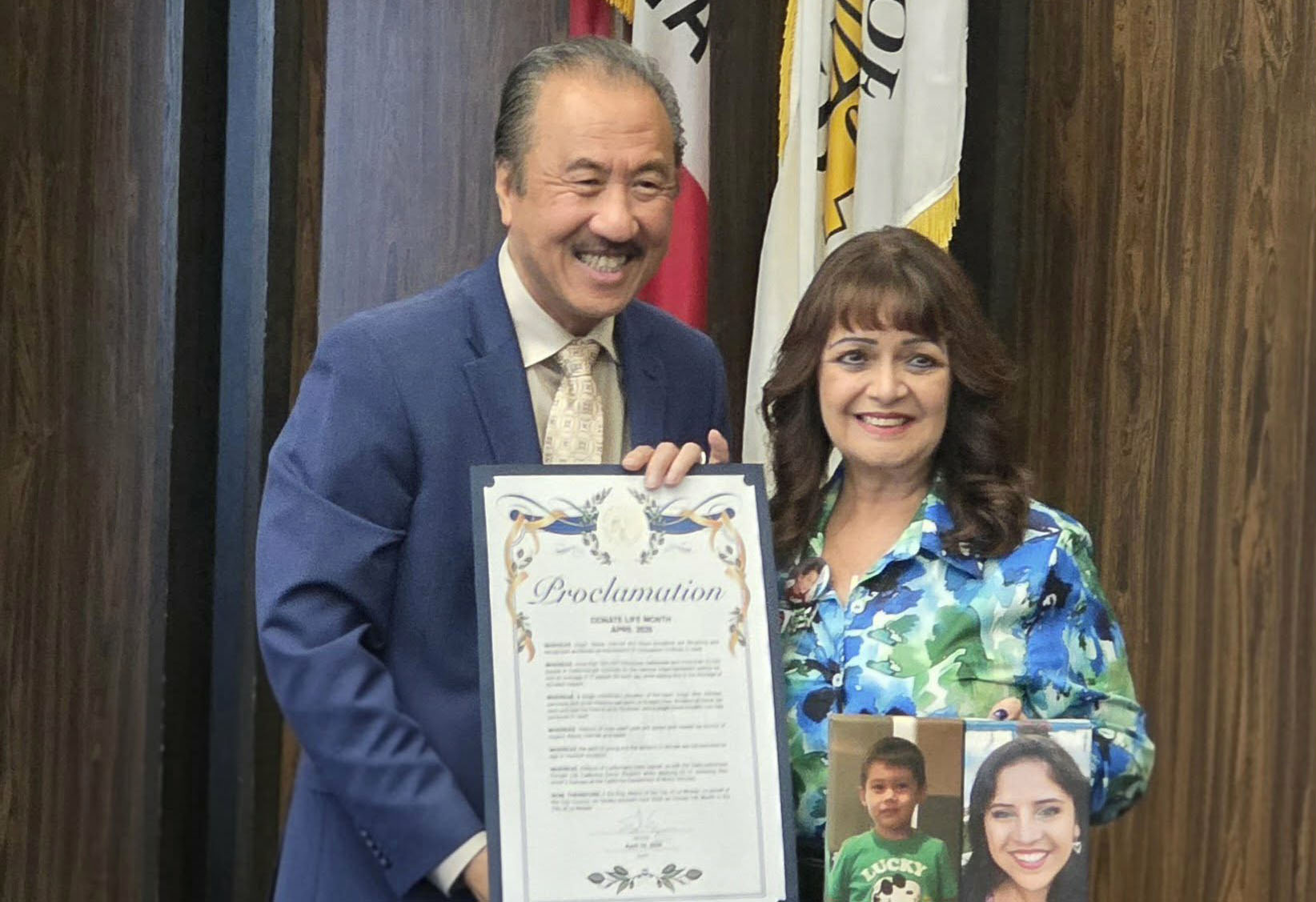
In a world often defined by uncertainty, stories like this remind us that compassion, quiet, deliberate and selfless, has the power to endure far beyond a single lifetime. Stories like this reflect why April has been officially recognized as Donate Life Month in the City of La Mirada. In a recent proclamation, Mayor Ed Eng noted that more than 100,000 individuals nationwide and over 23,000 in California are currently waiting for life-saving transplants, with an average of 17 people dying each day due to the shortage of donated organs.
The proclamation also highlights the profound impact a single donor can make—saving up to eight lives through organ donation and improving dozens more through tissue donation.
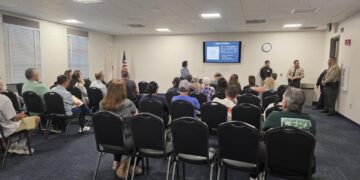
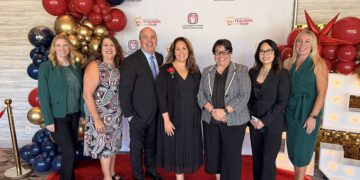
As part of this recognition, Mona Castro was presented with a Certificate of Recognition honoring her years of advocacy, volunteerism, and commitment to raising awareness about organ donation. Through her work and her family’s story, she continues to inspire others to consider the life-saving impact of becoming a donor.
This story reflects the broader mission of Donate Life California, which encourages individuals and families to register and have meaningful conversations about donation. Through continued advocacy, Mona honors both the unknown donor who first saved her daughter and the beloved child whose legacy now lives on.
In a community like La Mirada where connection, compassion, and service remain at the heart of civic life this story serves as a reminder that even in loss, there is the possibility of extraordinary hope.
By Mona Castro