















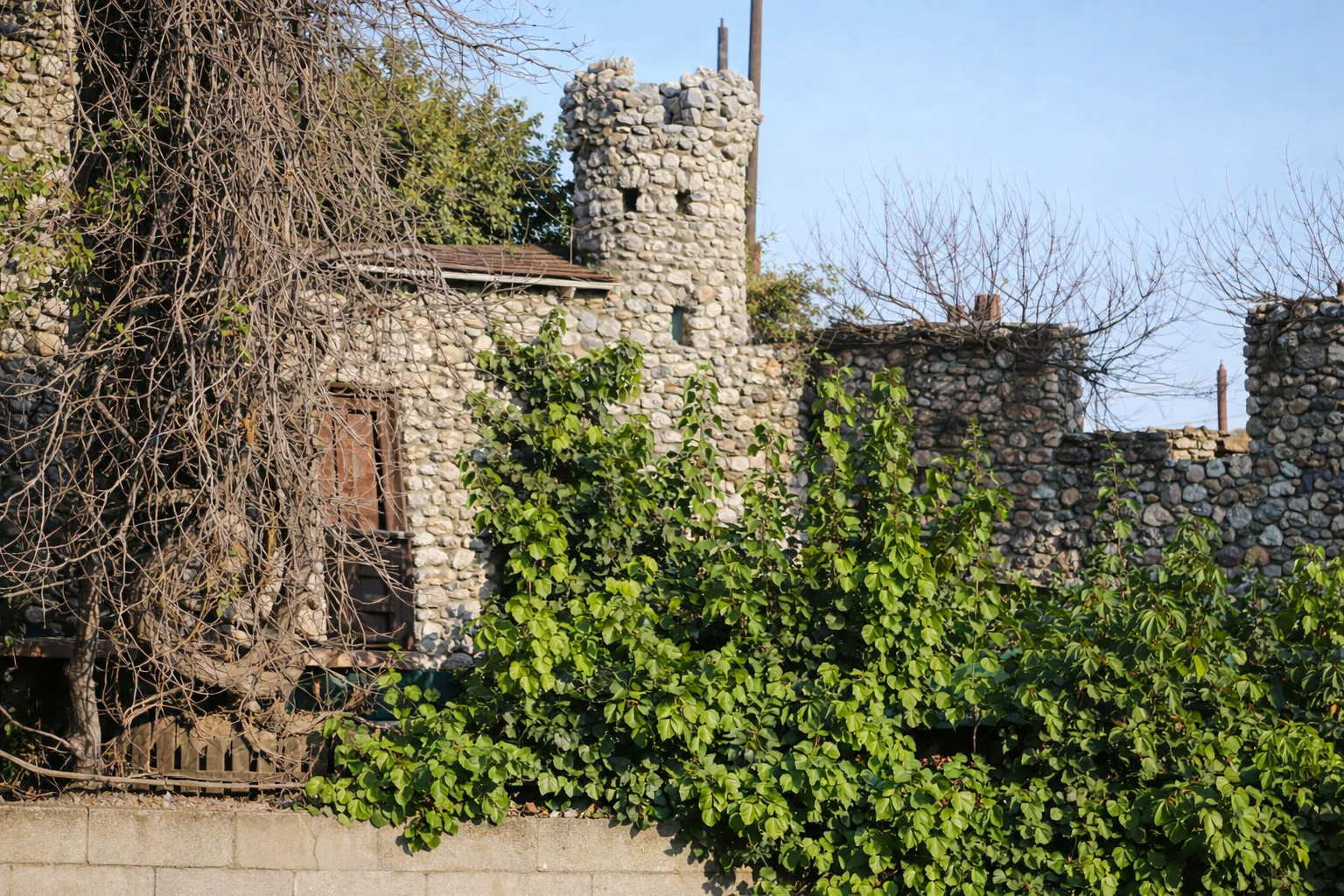
There is no shortage of remarkable architecture in Los Angeles County, but few places are as unusual or as memorable as Rubel Castle.
Once the home of Michael Clarke Rubel, construction began in 1959 and continued for nearly three decades before he declared it complete in 1986. To some, it was an eyesore. Yet history has a way of reshaping first impressions. Much like the Eiffel Tower, once criticized during its construction, Rubel Castle has become a symbol of creativity and identity within its community.
Michael Rubel was, by all accounts, a dreamer. As a child, he built large forts and improvised structures, guided more by imagination than convention. That same spirit led him, at just nineteen years old, to acquire an abandoned citrus packing house set on two acres of what had once been part of the Albourne Rancho. What began as a home soon became something more.
When his mother, Dorothy Rubel, moved in, the property transformed into a lively gathering place. A former dancer with the Greenwich Village Follies, Dorothy was known for hosting elaborate parties, where over a hundred guests would gather to dance to a live orchestra. These evenings drew notable figures such as Bob Hope, Jack Benny, Angie Dickinson, and Alfred Hitchcock. The building became known as the “Tin Palace.”
It was, somewhat ironically, the energy of these gatherings that set Michael on a different path.
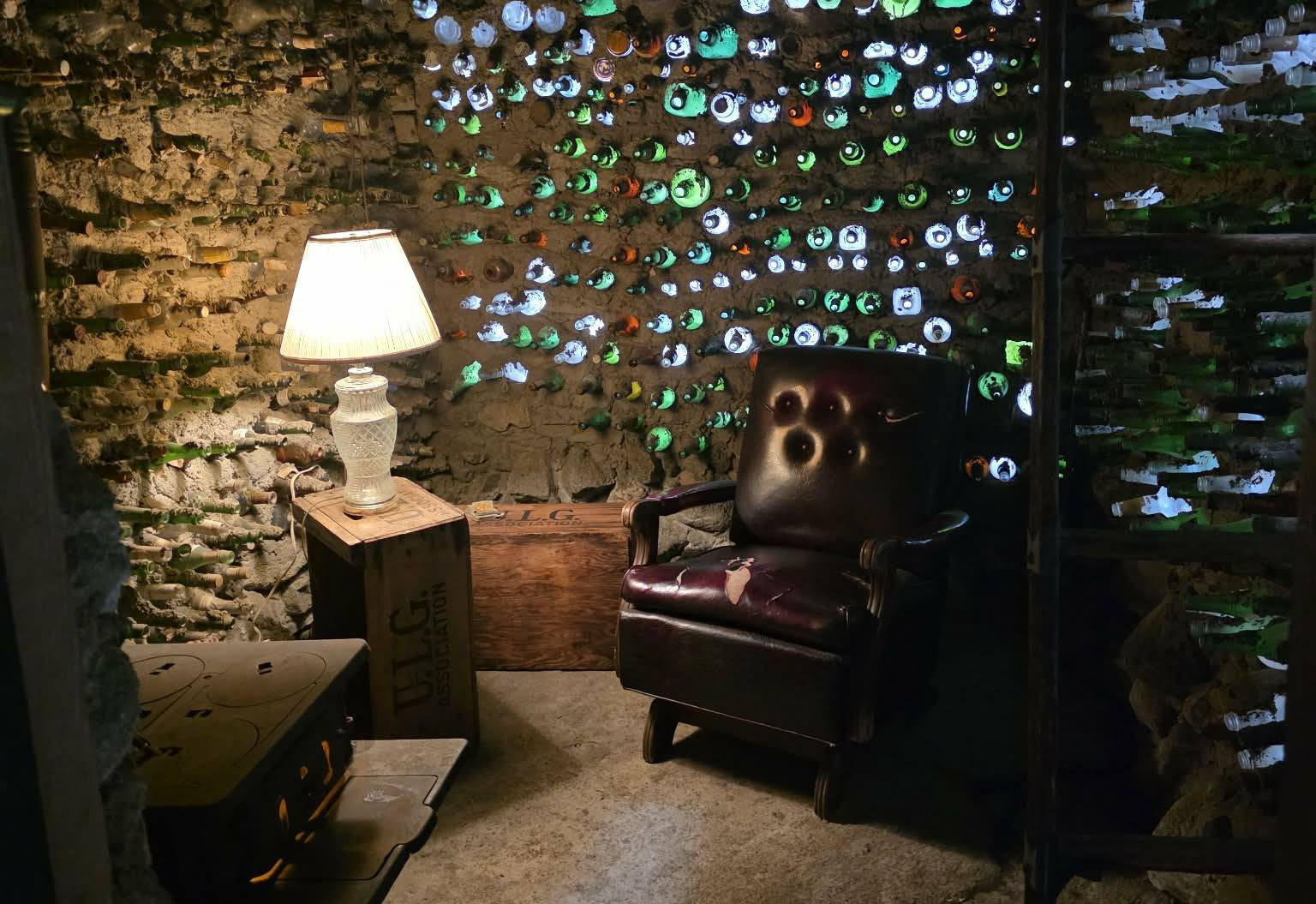
He constructed his bedroom from an old citrus refrigeration unit and lined it with wood and cork, but that could not fully block the lively sounds of the all-night parties. Seeking quiet, he began building a new space, far from the music inside an old concrete reservoir. Using bottles collected from the parties and cement, he created what became known as the “bottle house,” complete with a sitting area, potbelly stove, and small sleeping loft. This modest retreat became the foundation of something much larger.
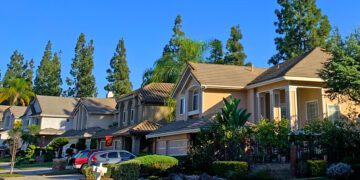
With his natural charm and charisma, Michael gathered friends and volunteers to help bring his vision to life. Construction unfolded organically using materials that others might have discarded such as river rock, concrete, scrap metal, and even everyday objects like toasters. As the surrounding neighborhood filled with orderly ranch-style homes and manicured lawns, Rubel’s creation stood in contrast: a fortress shaped by imagination rather than convention. And at the end of each day’s work, there were gatherings … echoes of the Tin Palace that had started it all.
Construction continued until 1986, when Michael decided the castle was complete. In March 2005, he donated the property to the Glendora Historical Society, which continues to offer public tours. Michael Rubel passed away in 2007, and his ashes were interred on the grounds.
In 2013, Rubel Castle was added to the National Register of Historic Places.
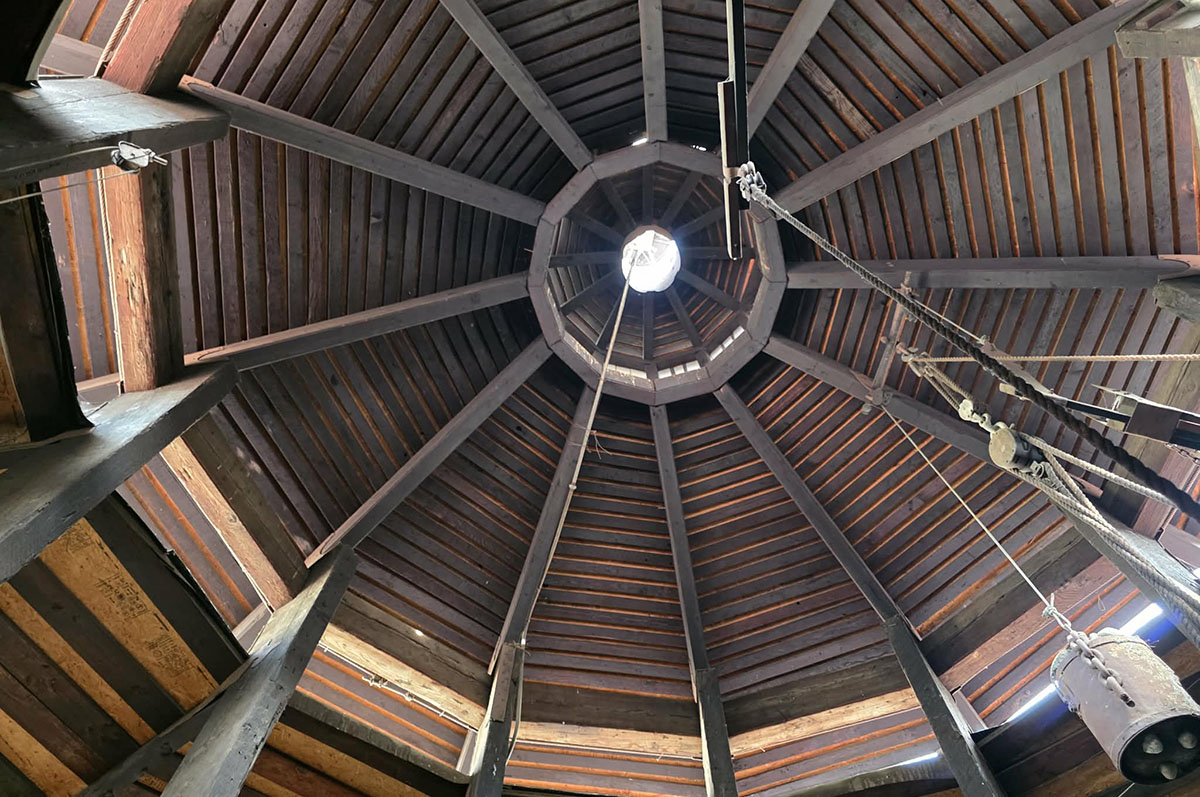
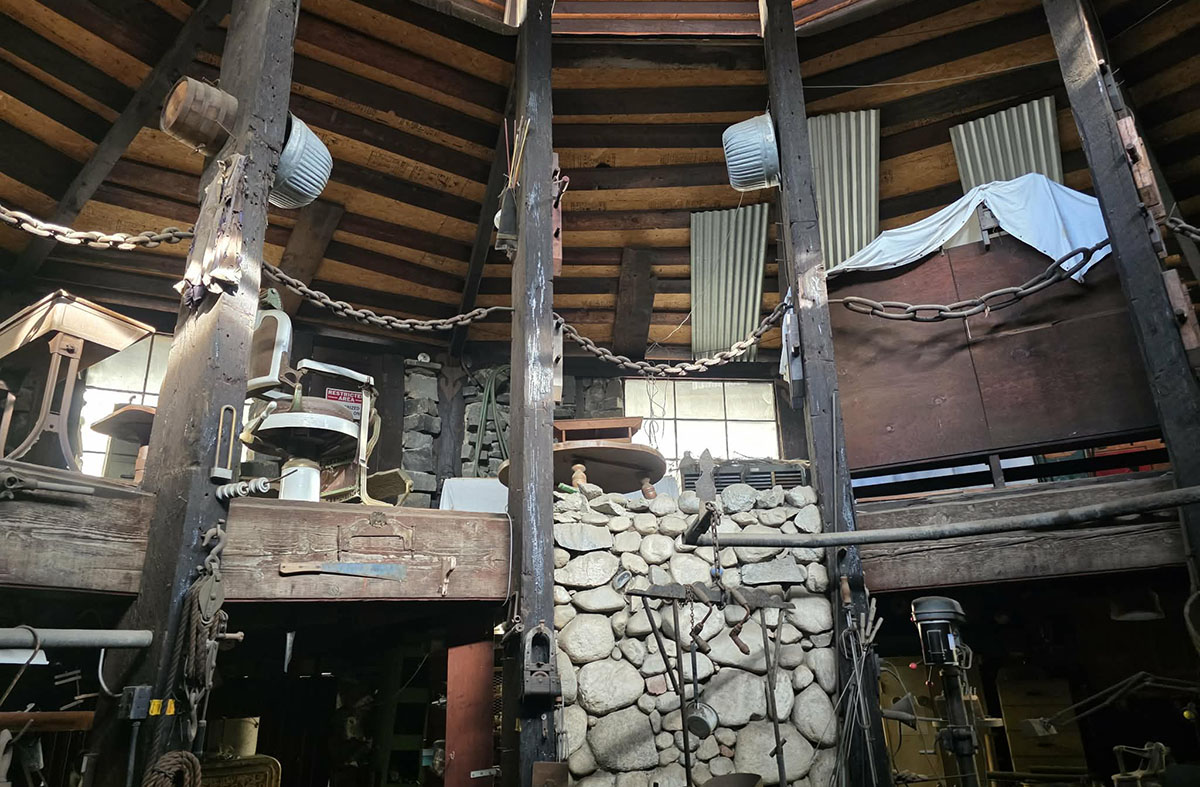
Several months ago, I had the opportunity to tour the castle, and the experience leaves a lasting impression. The grounds reveal not only inventive architecture, but also an active art colony, where artisans continue to create and display their work, including blacksmithing demonstrations. One of the most striking areas is the machine shop, filled with vintage soda machines and fabrication equipment, much of it more than fifty years old. An old motorcycle, once belonging to Michael, sits quietly in place, as though waiting to be used again. Above, the structure’s “witch’s hat” roof rises in a circular, steep pitch, a rare and skillful design. It calls to mind spaces such as the ballroom of the Hotel del Coronado or the unusual architectural details found within the Winchester Mystery House. At its center, an opening allows natural light to filter in, adding to the atmosphere.
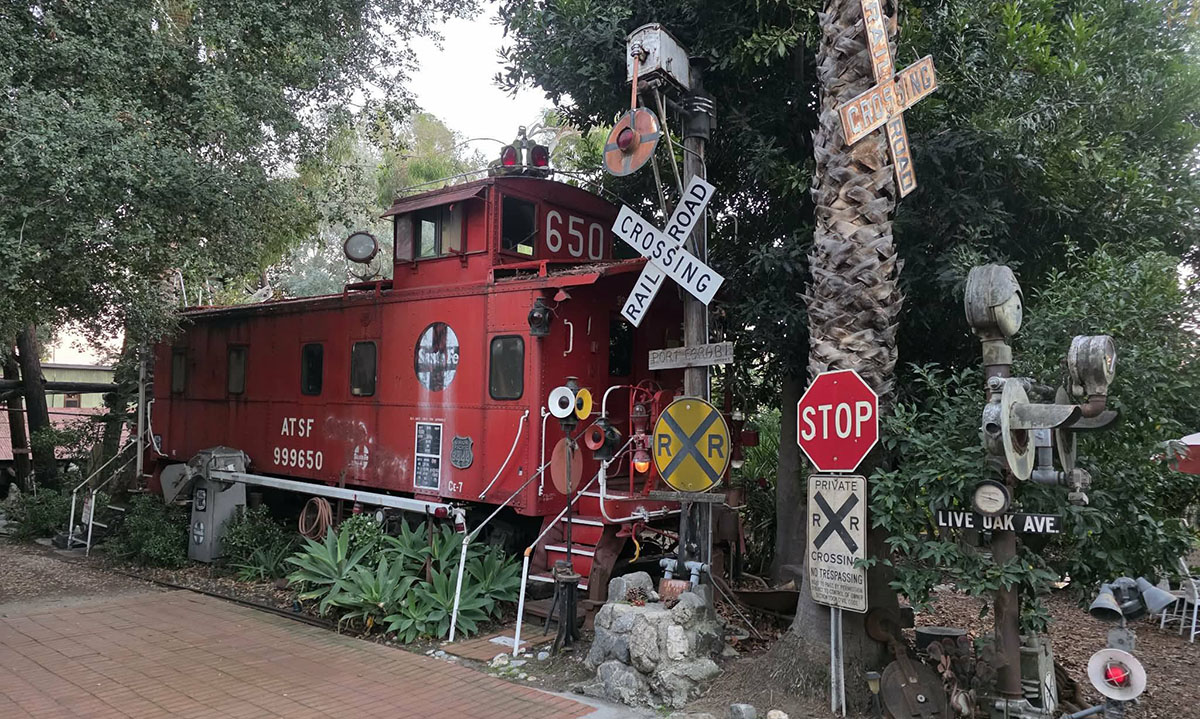
Another notable feature is the Santa Fe caboose, repurposed into living quarters. Simply furnished with a bunk bed and a clawfoot tub, it feels both unexpected and entirely fitting within the environment.
Walking through Rubel Castle, the outside world seems to fade. The high walls and thoughtful design shield visitors from the surrounding city, creating a sense of stepping into another time. Even elements that might seem out of place like the train car, add to the overall charm, as though they arrived there by chance and simply remained.
Would I recommend visiting Rubel Castle? Without hesitation. Tours last approximately 90 minutes and are priced at $20. Proceeds help maintain the property and preserve Michael Rubel’s vision for future generations.
Because in the end, Rubel Castle is more than a structure. It is a reminder of what can be built—when imagination is given the space to endure.
By Charles Spratley
Rubel Castle | Glendora Historical Society
844 N Live Oak Ave, Glendora, CA 91741
(626) 963-0419
www.glendorahistoricalsociety.org