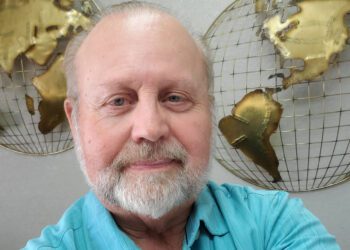










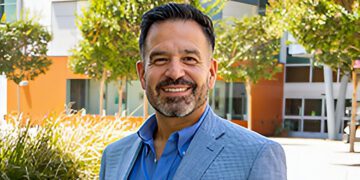

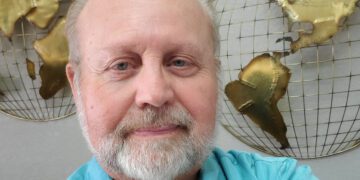

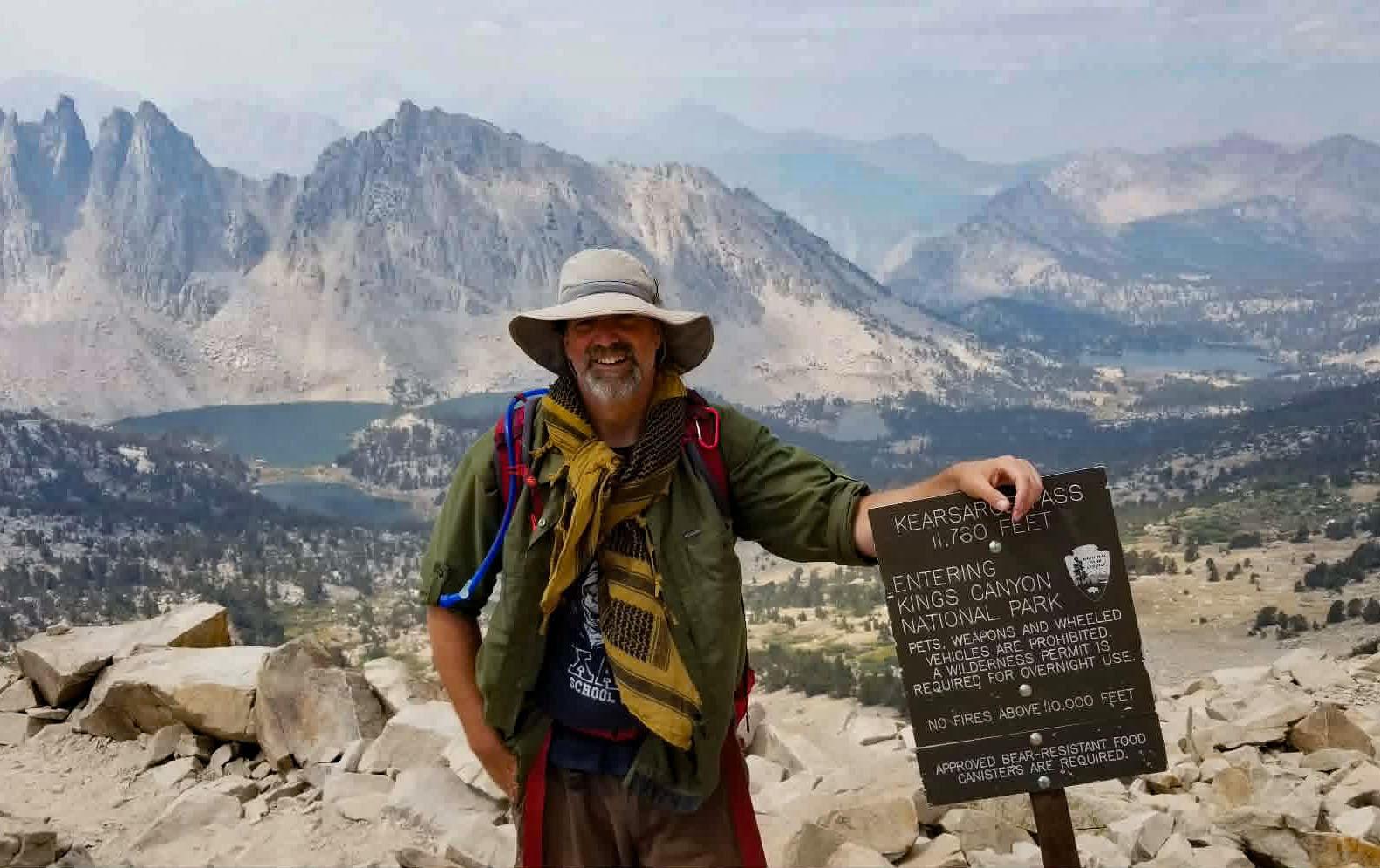
There are people who measure strength in miles, in weight lifted, in how far and how fast the body can go. And then there are people like Charles Spratley, who measure it in something far less visible. Endurance. Recovery. The decision to begin again… more than once.
Charles was born with a heart condition, something he didn’t grow into and could not grow out of, it was he always carried. From the beginning, his life included regular visits to pediatric cardiologists, careful monitoring, and a quiet understanding that his body worked differently.
He didn’t have the same physical freedom as other kids. Sports were limited. Activities were watched closely. At times, he found himself set apart in ways that felt isolating. “I felt special,” he recalls, “but not in a good way.” And yet, like many who grow up being told “be careful”, there came a moment when caution gave way to something else. Rebellion. Curiosity. A refusal to live inside a glass case.
By his teenage years, Charles began to test the boundaries that had been placed around him. He joined ROTC. He pushed his body. He learned to listen not to fear, but to sensation. And as an adult, he didn’t just become active, he became exceptional. An Olympic-distance triathlete.
Running miles before work. Swimming, lifting, biking, sometimes 21 miles each way just to get there. For years, it seemed like he had outrun the condition he was born with. Until his body reminded him otherwise.
In his late thirties, something shifted. What began as subtle symptoms such as burping and pressure in his chest, led to a deeper discovery. His aortic valve, already structurally different from birth, had begun to fail. His aorta had enlarged dangerously. Within a month of seeing a specialist, Charles was in open-heart surgery. His valve was replaced. His aorta reconstructed.
“It sucked,” he says simply. “I thought I understood what was happening… but I didn’t.” Recovery was slow. Humbling. A man who had once pushed his body to elite levels now found walking to the mailbox a challenge. “I felt like the end of me,” he says. “Who I used to be.”
And yet this is where his story begins to shift. Not toward loss. But toward redefinition.
After surgery, Charles returned to movement. To work. To life. But the story didn’t end there.
A few years later, while out on a run, something felt off. No pain. Just imbalance, a disconnection. “I couldn’t get the coffee cup to my mouth.” It was a stroke. What followed was, in his words, “the worst thing that ever happened.” Not because of pain but because of what it took. His speech. His ability to read. His sense of control over something he had once mastered: communication.
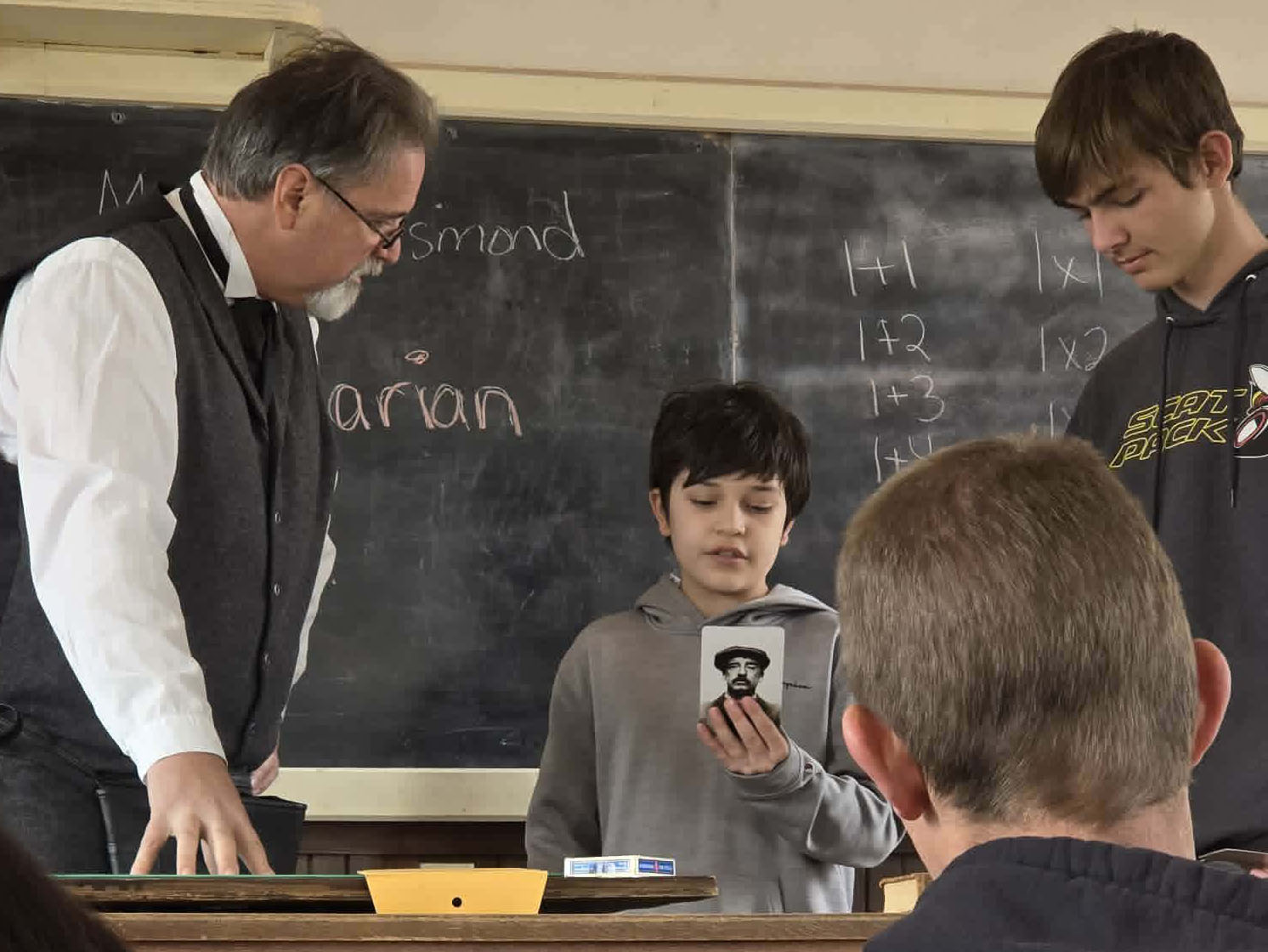
“I used to talk for a living. I gave historic tours. I gave lectures …” he says. “And suddenly… I couldn’t.” Recovery demanded something deeper than physical strength. It required patience, a rewiring and lots of frustration. but more importantly a refusal to disappear.
Even after that, his journey continued another cardiac event, a dangerously high heart rate, another hospital visit, another intervention. A defibrillator. More adjustments. More awareness.
More discipline. But somewhere through all of it, Charles arrived at a different understanding of strength. “It’s not about how much you can push,” he says. “It’s about waking up every day and facing the world.” That’s the long game. Not performance. Presence.
Today, Charles still wakes early. Still goes to the gym. Still moves. But the mindset has changed. He listens to his body now, really listens. Diet matters more. Pace matters more. Stress matters more. There are things he avoids. Things he watches closely. Things he plans around. “I don’t have to go as fast or as hard,” he says. “But I keep going.” There’s a quiet discipline to it. An awareness that time is not something to waste. “Value the time you have,” he says. “It’s a gift.”
Ask him what Strength at Every Age means now, and his answer is simple: “Not allowing myself to give up.” That’s it. Not perfection. Not performance. Persistence. Because when you’ve faced your own mortality more than once something changes. “There’s a certain peace,” he says. “Once you’ve shaken hands with death… there’s no fear. It’s more like ‘you can take me, just not today.’”
What’s striking about Charles isn’t just what he’s survived. It’s what he still believes. “I’m not done yet,” he says. “There’s still so much I want to do. Places I want to go. Things that aren’t finished.” That’s the part people don’t always see. Strength isn’t just endurance … It’s hope… that refuses to retire.
If his journey carries a message, it’s this: Whatever happens to you—don’t give up. There is still more to give ~ and still more to receive.