

























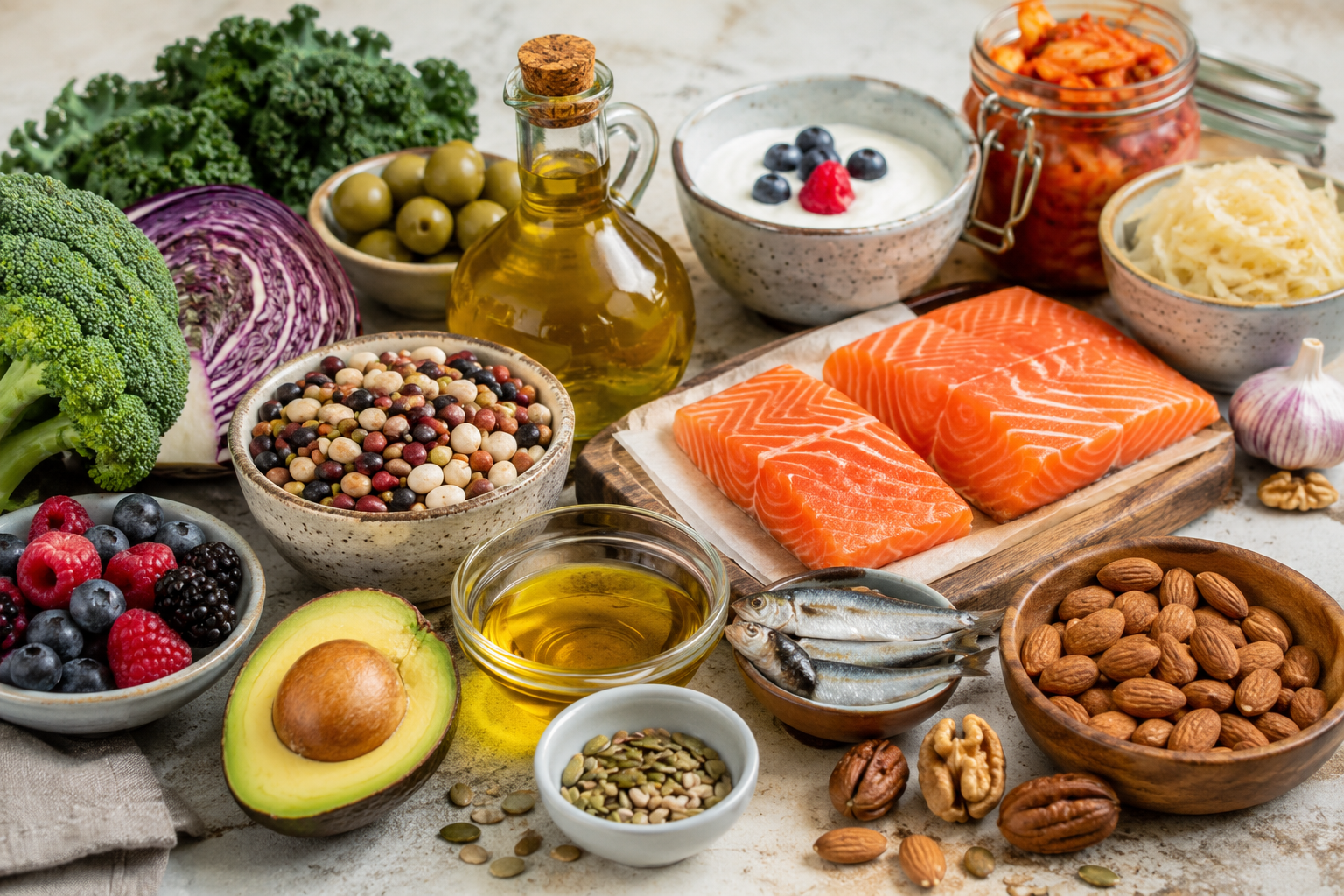
For many adults over 50, inflammation can become an unwelcome companion. Whether it’s arthritis, joint stiffness, autoimmune conditions, or chronic aches and pains, inflammation often plays a significant role in how we feel every day.
While there is no miracle food that can cure chronic illness, medical experts agree that certain foods may help reduce inflammation and support overall health when combined with proper medical care and a healthy lifestyle. “Food matters, but it is not a magic cure,” say many rheumatologists who treat patients with autoimmune diseases and chronic pain. Instead, they encourage people to focus on long-term eating habits that support the body’s natural healing processes.
Here are five foods frequently recommended by specialists.
1. Extra Virgin Olive Oil
A cornerstone of the Mediterranean diet, extra virgin olive oil contains a natural compound called oleocanthal. Researchers have found that oleocanthal has anti-inflammatory properties similar to those found in ibuprofen. Experts recommend using olive oil regularly on salads, vegetables, and other dishes in place of highly processed oils.
2. Fatty Fish
Fish rich in omega-3 fatty acids have some of the strongest scientific evidence for reducing inflammation. Salmon, sardines, anchovies, and mackerel contain EPA and DHA, omega-3 fats that may help support heart health and reduce inflammatory activity throughout the body.
Many health professionals suggest eating fatty fish at least twice a week.
3. Fiber-Rich Foods
Fiber does much more than support digestion. Beans, fruits, vegetables, and whole grains can help reduce inflammation while also supporting healthy weight management. Maintaining a healthy weight can lessen pressure on joints and improve mobility, particularly for older adults.
Nutrition experts recommend obtaining fiber from whole foods whenever possible rather than relying solely on supplements.
4. Fermented Foods
Foods such as yogurt, kimchi, sauerkraut, and kefir help nourish the gut microbiome—the community of beneficial bacteria living in the digestive system. Scientists estimate that a large portion of the body’s immune system is connected to the gut. Studies have shown that fermented foods may increase microbial diversity and help reduce markers of inflammation.
5. Nuts
Almonds, walnuts, pistachios, and other nuts provide a powerful combination of protein, fiber, and healthy fats. Nuts make an easy snack and can help replace highly processed foods that contribute to inflammation. A small handful each day can be a simple addition to an overall healthy eating plan.
The Bigger Picture
Doctors caution that food should be viewed as one part of a larger wellness strategy. Diet can support health, but it should not replace medications or treatments prescribed by healthcare providers. Experts continue to recommend a balanced eating pattern focused on vegetables, fruits, lean proteins, healthy fats, and minimally processed foods.
Perhaps the most reassuring advice is this: perfection is not required. Enjoying a slice of birthday cake or an occasional treat is part of a healthy life, too. What matters most is the overall pattern of choices made day after day.
As we age, small, sustainable changes often produce the greatest results. Choosing foods that help calm inflammation may be one of the simplest steps toward feeling better, moving easier, and maintaining vitality for years to come.
Sidebar / Call-Out Box
Inflammation-Fighting Grocery List
✔ Extra virgin olive oil
✔ Salmon, sardines, and mackerel
✔ Beans and lentils
✔ Fresh fruits and vegetables
✔ Whole grains
✔ Yogurt and kefir
✔ Kimchi and sauerkraut
✔ Almonds and walnuts
Remember: Food supports health, but it is not a substitute for medical treatment. Always consult your healthcare provider before making major dietary changes.