















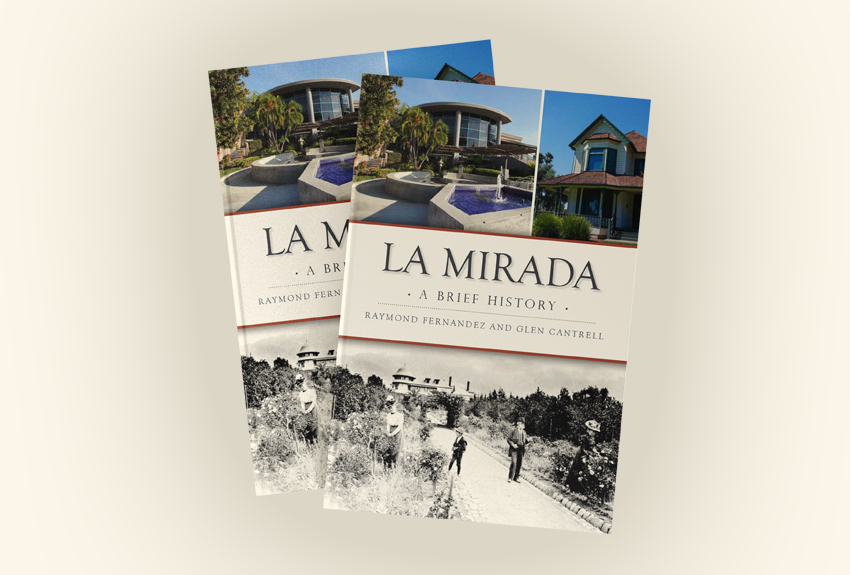
The story of La Mirada begins with a vision rooted in the agricultural promise of Southern California’s rolling hills.
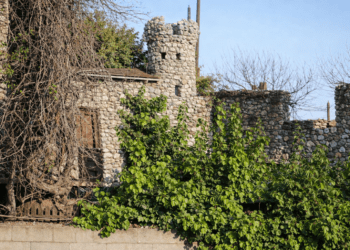
In the late nineteenth century, Andrew McNally, co-founder of the renowned mapmaking company Rand McNally & Company, recognized both the beauty and potential of the land situated between Los Angeles and Orange County. Seeing the region as an ideal setting for agriculture and rural living, McNally purchased approximately 2,600 acres, establishing what would become known as the McNally Ranch.
The ranch soon developed into a thriving agricultural enterprise. Olive groves, lemon orchards, and other crops well suited to the region’s Mediterranean climate flourished across the property. Among its most notable products was the ranch’s olive oil, which gained recognition and became something of a signature product of the estate.
McNally envisioned the ranch not simply as farmland, but as a place where country estates could exist alongside productive agricultural land. Residents could enjoy the tranquility of rural life while participating in the economic vitality of farming and ranching.
As word of the area’s fertile soil and favorable climate spread, additional settlers were drawn to the surrounding region. Dairy farmers and citrus growers established operations nearby, creating a diverse agricultural community that thrived through the early decades of the twentieth century. Farming, ranching, and citrus cultivation became the backbone of the local economy, shaping both the landscape and the character of the growing settlement.
Despite its pastoral beginnings, the area was never isolated from the sweeping growth occurring throughout Southern California. Improvements in transportation and infrastructure gradually connected the region with nearby cities, and the population slowly began to increase.
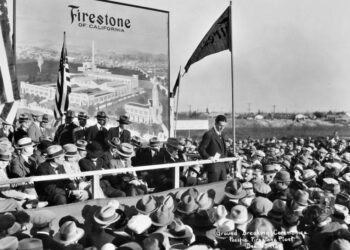
Following World War II, dramatic demographic changes reshaped communities across the Los Angeles region. Returning veterans and their families sought new homes in expanding suburban neighborhoods, and developers began building residential communities to meet the rising demand.
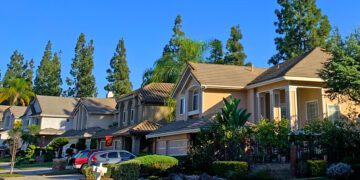
The former ranch lands of La Mirada proved ideally suited for this next phase of development. Farmland gradually gave way to residential neighborhoods, schools, and community gathering spaces, forming the suburban landscape that many residents recognize today.
Parks became an important part of this evolving community. Neff Park, one of the area’s most cherished green spaces, provided residents with both recreation and a tangible connection to La Mirada’s earlier history.
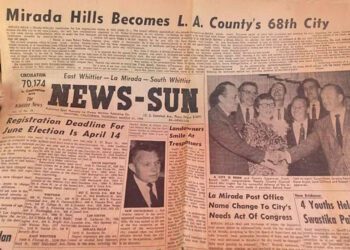
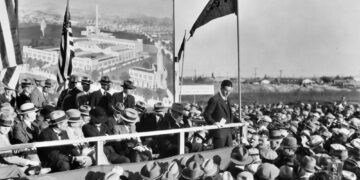
As the population grew, so too did the desire for local governance and civic organization. In 1960, residents voted to incorporate as the City of La Mirada, establishing their own municipal government and laying the foundation for future growth. Incorporation marked a significant milestone, symbolizing the transformation of the area from a rural ranching district into a structured and thriving suburban city.
Today, La Mirada’s history reflects the broader story of Southern California itself—from agricultural beginnings to postwar suburban expansion. Yet the legacy of Andrew McNally’s original vision still lingers in the community’s parks, neighborhoods, and enduring appreciation for the landscape that first inspired the founding of the ranch more than a century ago.