




















In recent days, national headlines have suggested that Democrats could “shut down” the Department of Homeland Security. The phrasing feels urgent. Dramatic. Even destabilizing.
But what does it actually mean?
The United States Department of Homeland Security (DHS) is a federal executive agency created in 2002. It includes agencies such as:
- U.S. Customs and Border Protection
- U.S. Immigration and Customs Enforcement
- Federal Emergency Management Agency
- Transportation Security Administration
Because it is a federal agency, it operates under the executive branch. However, its funding is controlled by Congress. And that is where the confusion often begins.
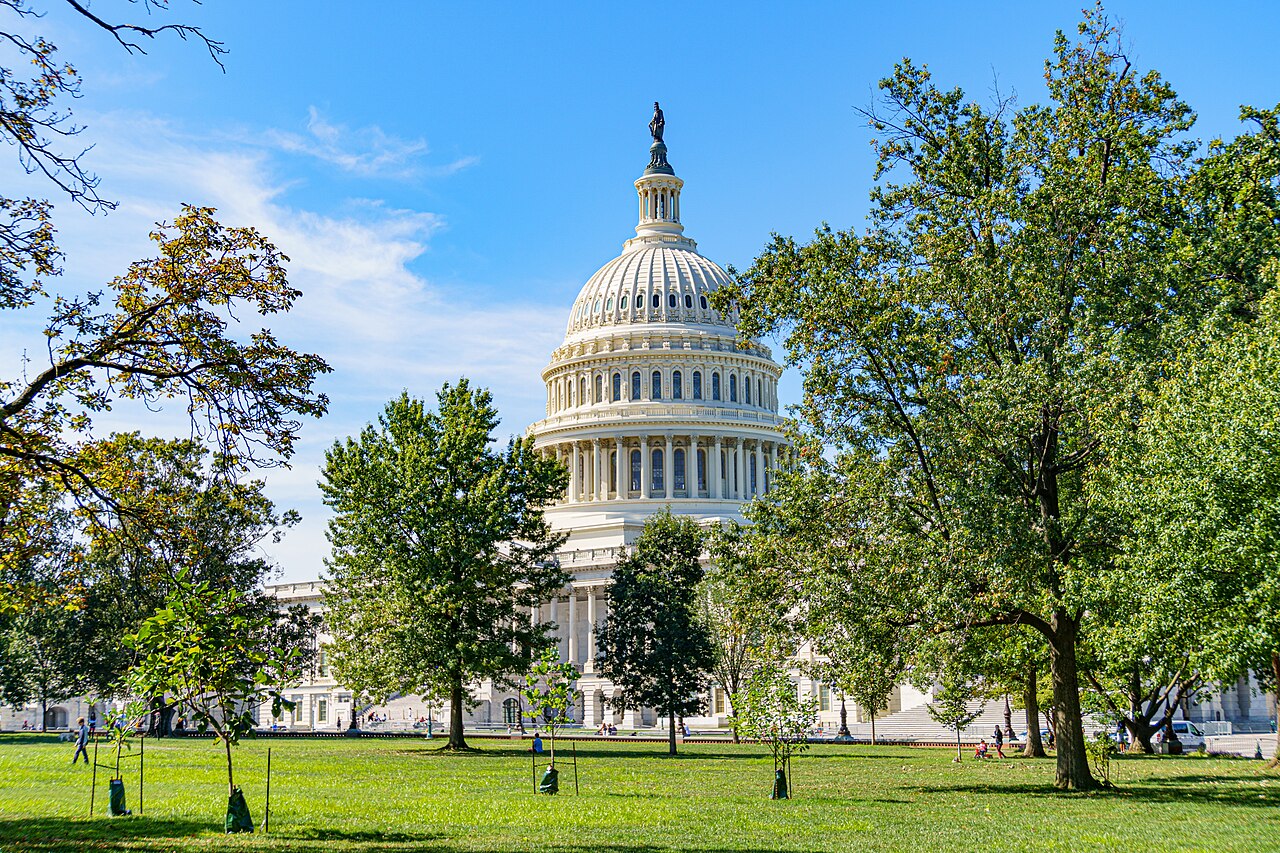
Funding, Not Authority. No single political party can simply “shut down” DHS. What can happen and has happened, is a lapse in funding. Under the U.S. Constitution, Congress controls federal spending. DHS must receive approved appropriations to continue operating fully. If lawmakers in the House and Senate cannot agree on a funding bill or if a bill is vetoed and not overridden certain government functions may temporarily pause. This is commonly referred to as a “government shutdown.”
What Actually Happens During a Shutdown? Contrary to what some headlines suggest, DHS does not completely stop functioning. Essential personnel such as border agents, TSA screeners, Coast Guard members, and emergency response teams continue reporting to work. National security and safety operations remain active. However:
- Many federal employees may work without pay until funding is restored.
- Administrative and support services can be delayed.
- Contracted services may pause.
It is disruptive. But it is not an immediate collapse of homeland security operations.
Why Does It Become So Dramatic? Funding deadlines are often used as leverage during negotiations over immigration policy, border security, disaster funding, or broader federal budget disputes. Media coverage, especially in a 24-hour news cycle, tends to condense complex constitutional processes into short, emotionally charged phrases. “Shutdown” is a powerful word. It captures attention but does not always convey nuance. In reality, what is unfolding is typically a political negotiation over funding priorities, not a unilateral action by one party to dismantle an agency.
A Civic Reminder
Government funding debates are part of the constitutional structure of checks and balances. While frustrating at times, they reflect the push and pull built into the system. Understanding the mechanics behind the headlines allows citizens to respond with clarity rather than alarm.
And in times of loud narratives, clarity is its own form of steadiness.