









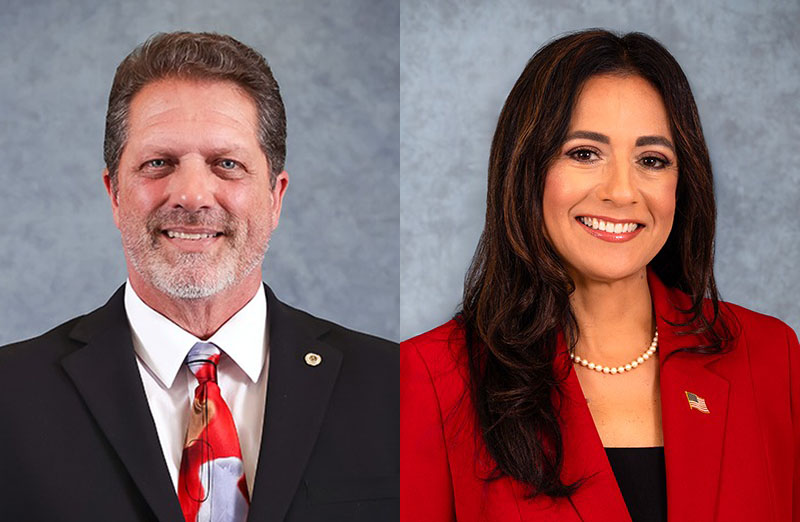
In a rare but straightforward turn of events, the City of La Mirada will not hold a municipal election this cycle.
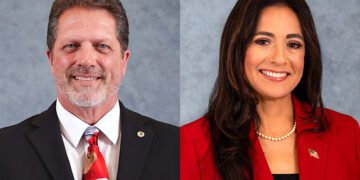
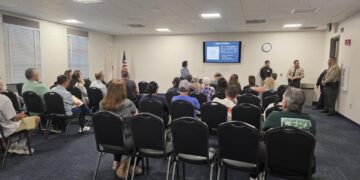
During a special meeting held on March 17, the La Mirada City Council adopted a resolution officially cancelling the upcoming election and appointing the two qualified candidates to their respective seats.
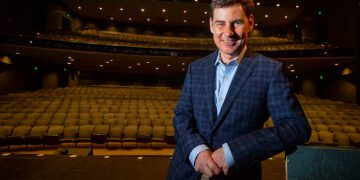
Councilmember John Lewis will continue serving as the District 1 representative, and Michelle Velasquez Bean will continue serving as the District 2 representative. Both were the only residents to file and qualify as candidates for their districts, resulting in an uncontested election.
Under California election law, when the number of qualified candidates does not exceed the number of available seats, an election may be cancelled and the candidates appointed by the City Council. Both Lewis and Velasquez Bean will serve new four-year terms, continuing their roles in guiding the city’s policies, programs, and community initiatives.
The City Council’s formal reorganization is scheduled to take place during the regular meeting on July 14, when the council will reaffirm roles and leadership positions.
La Mirada’s City Council will continue to include:
- Mayor Ed Eng, representing District 3
- Mayor Pro Tem Anthony A. Otero, representing District 5
- Councilmember Steve De Ruse representing District 4
While elections often bring spirited campaigns and community dialogue, uncontested races can also reflect stability, continuity, and confidence in current leadership. As La Mirada moves forward, residents can expect continued focus on community development, public safety, and the programs that support the city’s quality of life.
Did You Know?
An uncontested election can feel a little unusual, but it carries a few clear meanings for a community like La Mirada, some reassuring, and some worth paying attention to.
An Uncontested election means stability and continuity. When no one steps forward to challenge incumbents, it often signals that there isn’t strong opposition to current leadership. Residents and potential candidates may feel the city is on a steady path, with no urgent need for change. It also means confidence with the current leadership, reflecting a level of trust in those already serving. Community members may believe current councilmembers are doing a solid job and see no reason to run against them.
On the flip side, uncontested races can also suggest a lack of engagement. Running for office takes time, resources, and energy, and not everyone is in a position to step forward, even if they care deeply. Elections often bring discussion, new ideas, and community dialogue. Without a race, those moments of public comparison and debate don’t happen in the same way. Cancelling an election avoids the expense of printing ballots, staffing polling places, and administering the process, saving taxpayer dollars.
An uncontested election doesn’t close the door on community voice; it just shifts where that voice shows up. Residents can still play a vital role by attending City Council meetings; sharing input during public comment and participating in local boards, commissions, and community groups. In many ways, it’s a quiet reminder: local government isn’t just shaped during elections, it’s shaped in the everyday moments in between.